If you've been dealing with heel pain, a nagging tendon problem, or joint pain that just won't quit, you've probably tried a few things already. Stretching, rest, maybe some over-the-counter medication. Sometimes that's enough. But for a lot of people, it isn't, and that's where StemWave comes in.
We offer StemWave therapy at Juarez Chiropractic because it fills a gap that chiropractic adjustments alone can't always address. It's especially useful for soft-tissue injuries and chronic pain that has been hanging around for months. Here's what you should know before your first session.
What Is StemWave, and How Is It Different from Traditional Shockwave Therapy?
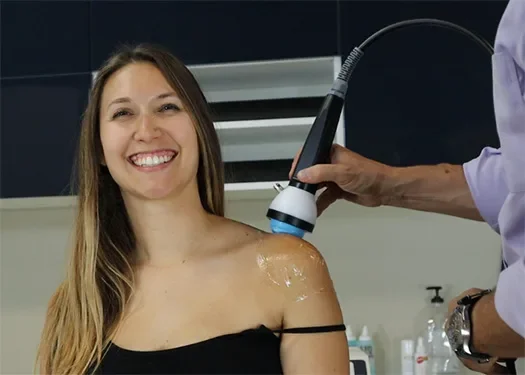
StemWave is a form of acoustic wave therapy, which means it uses sound waves delivered through a handheld device to stimulate healing in damaged tissue. Traditional shockwave therapy has been around for decades and has a solid track record, but StemWave uses a newer electrohydraulic technology that generates a true unfocused shockwave rather than a radial pressure wave.
In practical terms, that means the energy penetrates deeper into the tissue and spreads more evenly across the treatment area. The device is also calibrated to trigger the body's own repair process, which is where the name "StemWave" comes from. The acoustic energy activates stem cell activity already present in the body, encouraging tissues to rebuild rather than just masking the discomfort.
The end result is a treatment that works with your biology rather than just interrupting pain signals.
What Conditions Does StemWave Help?
StemWave works best on musculoskeletal problems, particularly those involving tendons, fascia, muscles, and joints. Some of the most common conditions we treat with it include:
Plantar Fasciitis
Heel pain is one of the most common reasons people try StemWave. Plantar fasciitis can be incredibly stubborn because the fascia doesn't get a ton of blood flow, which means it heals slowly on its own. StemWave improves circulation to the area and promotes tissue repair in a way that stretching and orthotics often can't fully accomplish on their own.
Tendinitis and Tendinopathy
Whether it's Achilles tendinitis, patellar tendinitis (sometimes called jumper's knee), rotator cuff issues, or tennis elbow, StemWave is well-suited for overuse injuries to tendons. It's been studied extensively in this category and the outcomes are consistently positive for people who haven't responded to more conservative care.
Chronic Joint and Muscle Pain
Hip pain, shoulder tightness, knee discomfort, and deep muscle tension can all respond well to StemWave. It's particularly helpful when there's been a buildup of scar tissue or calcification in the area, since the acoustic waves help break that down and allow healthier tissue to form.
What Does a Session Feel Like?
The honest answer is: it's a little uncomfortable, but tolerable. Most people describe it as a tapping or pulsing sensation, sometimes with a brief ache depending on how sensitive the tissue is. We adjust the intensity based on how you're responding, so it never needs to be more than you can handle.
Sessions typically run about 10 to 15 minutes for each area being treated. You stay fully clothed for most areas, and we apply a small amount of gel to help the device contact the skin properly.
How Many Sessions Will You Need?
Most people see meaningful improvement after 3 to 6 sessions. Some chronic or complicated cases take a few more. We'll give you an honest estimate at your first visit based on what we're looking at. It's not unusual to feel some improvement after just one or two sessions, but the full benefit builds over time as the tissue continues to heal.
No Downtime Required
One of the biggest practical advantages of StemWave is that there's no recovery period. You can come in on a lunch break and go back to work, or stop in after dropping the kids off and run your errands afterward. You might notice a little temporary soreness in the treated area for a day or so, which is normal, but nothing that should stop you from going about your routine.
How StemWave Works Alongside Chiropractic Care
Chiropractic adjustments address joint alignment and the nervous system. StemWave works directly on the soft tissue around and between those joints. When you pair them together, you're treating the whole picture instead of just one piece of it.
For example, someone with hip pain might have a misaligned sacroiliac joint that's creating stress on the surrounding muscles and tendons. An adjustment addresses the joint mechanics, while StemWave helps the irritated soft tissue actually heal. That combination tends to produce faster, longer-lasting results than either approach alone.
You can learn more about the full range of treatments we offer on our services page.
Is StemWave Right for You?
If you've been dealing with a soft-tissue injury, chronic joint pain, or something like plantar fasciitis that hasn't fully responded to other treatments, StemWave is worth a serious look. It's non-invasive, drug-free, and backed by a growing body of clinical research.
The best way to find out if it's a good fit is to come in and talk it through. We'll look at what's going on, explain your options, and be straightforward with you about what we think will help. Reach out to schedule an appointment and we'll go from there.